- +1 (306)-721-1028
- nusrathfatimaara@gmail.com
- 3806 Albert Street Inside Golden Mile Professional Offices Regina SK Canada
Get Your Pain Assesment Today!
Integrative Low Back Pain & Sciatica Relief in Regina, SK
3806 Albert Street Inside Golden Mile Professional Offices
Understanding the Primary Causes of Low Back Pain
Lower back discomfort stems from a range of vascular, structural, and neuromuscular imbalances:
Lumbar Muscle Strain & Ligamentous Sprain
Micro-tearing of muscle fibers or connective ligaments caused by sudden twisting, poor lifting mechanics, or chronic postural stress.
Intervertebral Disc Pathology (Bulges & Herniations)
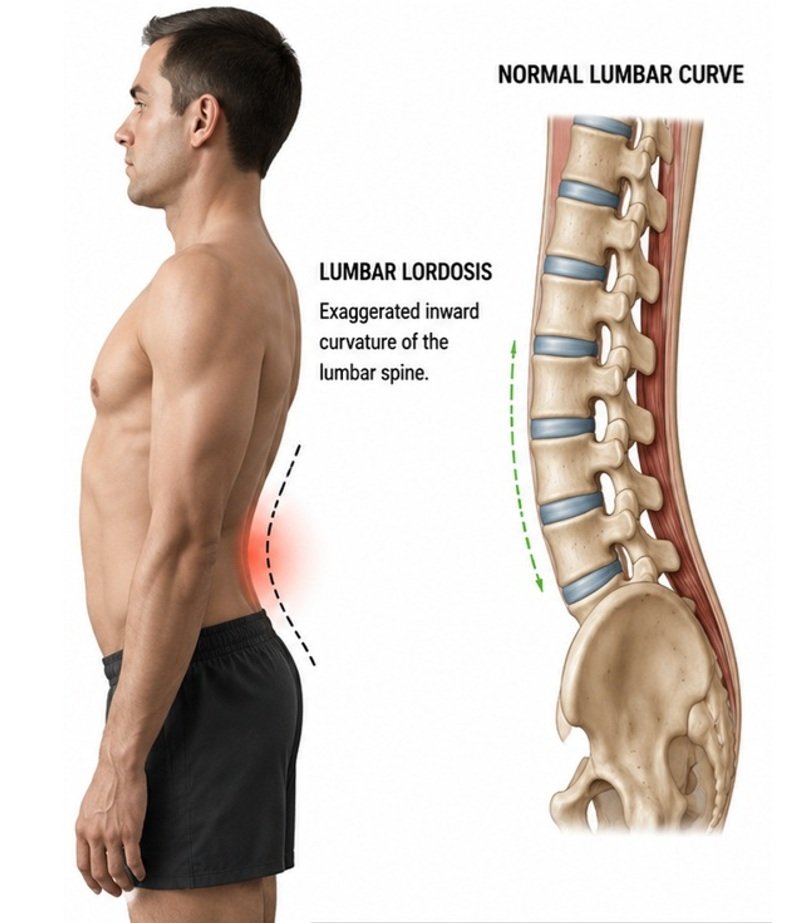
Structural displacement or outward protrusion of disc material, leading to localized inflammation or nerve root impingement.
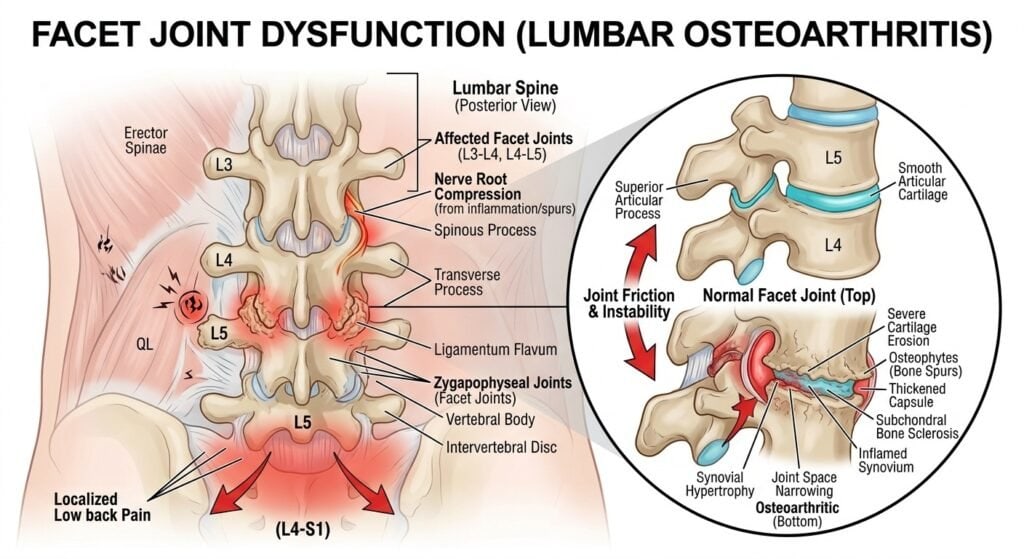
Facet Joint Dysfunction (Lumbar Osteoarthritis)
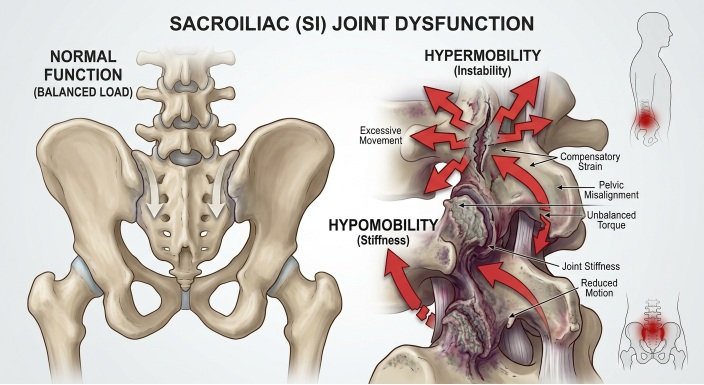
Hypermobility or hypomobility at the junction between the sacrum and ilium, disrupting weight distribution between the upper torso and pelvis.
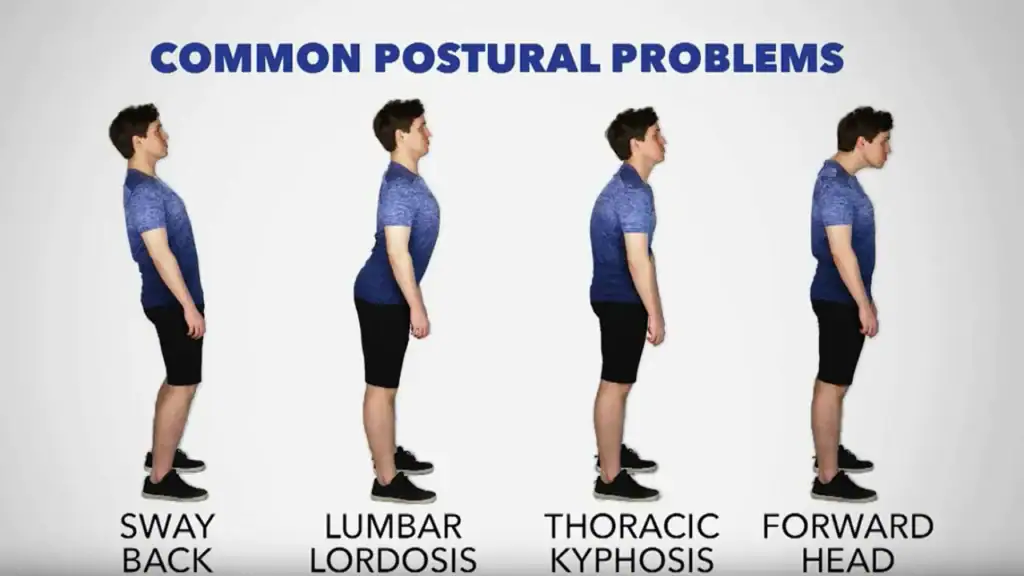
Myofascial Trigger Points & Postural Imbalances: Chronic muscular hypertonicity—specifically within the deep stabilizing networks—that forces the lumbar spine out of optimal physiological alignment.
Lets Understand
What is Sciatica?
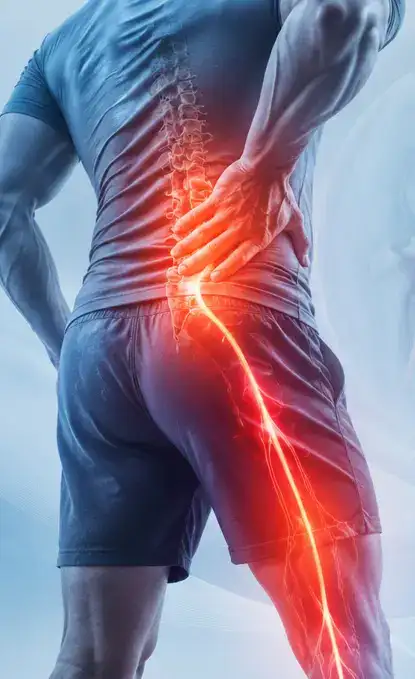
Sciatica is not an independent medical diagnosis; it is a clinical symptom describing compressive or inflammatory irritation of the sciatic nerve—the largest single nerve in the human body, originating from spinal segments L4 through S3.
When lumbar nerve roots are compressed by a herniated disc, spinal stenosis, or trapped by hypertonic piriformis musculature in the deep gluteal space, severe symptoms radiate along the nerve path. Patients commonly experience severe radiating pain, electrical shock sensations, numbness, tingling, or localized muscular weakness extending from the lower lumbar region down through the gluteus, posterior thigh, calf, and into the foot.
Biomechanics: Why Lower Stabilizers Fail Under Upper Body Weight
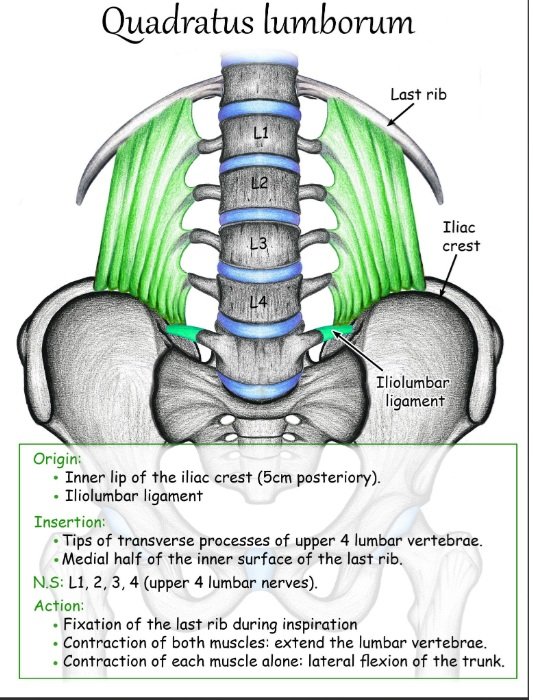
The human upper body (head, thorax, arms, and upper spine) relies entirely on the lumbar spine and pelvis for structural support. When posture, ergonomics, or movement patterns deteriorate, the primary dynamic stabilizers—the Quadratus Lumborum (QL), Gluteal Group, and Erector Spinae—fail to effectively manage and distribute upper body load:
Gluteal Amnesia & Inhibition: Prolonged sitting inactivates the Gluteus Maximus and Gluteus Medius. When the primary hip extensors fail to fire efficiently, the pelvis tilts anteriorly, transferring excess mechanical torque directly into the lumbar vertebrae.
Quadratus Lumborum (QL) Overwork: The QL acts as a secondary lateral stabilizer and lumbar elevator. When the glutes are dormant or the abdominal core lacks tension, the QL must over-compensate to stabilize the entire lumbar spine against upper body gravity. This causes chronic QL hypertonicity, deep aching pain, and restricted lateral movement.
Erector Spinae Fatigue: The deep erector spinae muscles are designed for postural endurance, not continuous heavy lifting. Under prolonged stooping or forward-head posture, their leverage decreases significantly, forcing these long spinal muscles into continuous isometric spasms to prevent the upper body from collapsing forward.
When these key muscle groups are chronically fatigued or imbalanced, the weight of the upper body compresses the lumbar facet joints and intervertebral discs directly, dramatically increasing the risk of structural injury.
What Causes a Lumbar Disc Bulge?
An intervertebral disc acts as a hydraulic shock absorber between neighboring vertebrae. It consists of a tough fibrous outer ring (annulus fibrosus) surrounding a gel-like inner center (nucleus pulposus).
A disc bulge occurs when chronic asymmetrical pressure or acute compressive overload damages the fibers of the annulus fibrosus, causing the disc wall to weaken and bulge outward into the spinal canal. Key contributing factors include:
Mechanical Causes
Repetitive Lumbar Flexion with Rotation
Bending forward while twisting places maximum shear stress on the posterior-lateral aspect of the disc wall.
Dehydration & Age-Related Degeneration
Loss of fluid content within the disc reduces disc height, decreasing shock-absorption capacity.
Sustained Postural Slouching
Prolonged sitting flattens the natural lumbar lordosis (curve), maintaining constant backward fluid pressure against the posterior disc wall.
How Manual Osteopathy & Deep Tissue Therapeutic Massage Restore Balance
An integrative therapeutic approach targets both structural joint alignment and soft tissue dynamics
Manual Osteopathic Therapy
Focuses on restoring joint mobility and whole-body structural alignment. Through Gentle Articular Mobilization, Muscle Energy Techniques (MET), and Myofascial Release, an osteopath realigns sacral/pelvic torsions, relieves restriction in the lumbar facet joints, and reduces physical pressure on localized spinal nerves.
Deep Tissue Therapeutic Massage
Focuses on deep myofascial layers and hypertonic muscle groups. Applied deep friction, trigger point therapy, and neuromuscular release deactivate chronic spasms in the Quadratus Lumborum, release gluteal adhesions, and improve tissue perfusion (blood flow) through the Erector Spinae group.
The Combined Clinical Outcome
Restored Pelvic Alignment: Equalizes leg-length discrepancies and balances hip mechanics.
Decompressed Lumbar Joints: Reduces axial compression on bulging discs and nerve root exits.
Restored Muscle Recruitment: Re-establishes optimal coordination between gluteal power generators and lumbar stabilizers.
Evidence-Based Preventive Measures
Optimize Ergonomics & Daily Posture: Maintain the natural inward curve (lordosis) of your lower back while sitting. Position monitor displays at eye level and use lumbar support pillows.
Implement Intermittent Movement: Avoid uninterrupted sitting for longer than 45 minutes. Take brief movement breaks to reset spinal fluid distribution.
Strengthen the Anterior & Lateral Core: Focus on isometric core stability exercises (planks, bird-dogs, pallof presses) rather than sit-ups, protecting the spine against forced shear stress.
Activate the Gluteal Network: Incorporate targeted hip extensions, glute bridges, and clamshells into daily routines to reduce compensatory overload on the QL and erectors.
Utilize Safe Lifting Techniques: Always bend at the knees and hips (hip hinge), keep heavy objects close to your chest, and avoid twisting your torso while lifting.
Behind the word mountains, far from the countries Vokalia and Consonantia, there live the blind texts they live
Useful Links
Subscribe Now
Don’t miss our future updates! Get Subscribed Today!
©2022 Praireiosteopath.ca All Rights Reserved.